
Africa’s Gaming Boom: How Content Creators Can Turn Play Into Pay
Gaming is becoming one of Africa’s fastest-growing entertainment industries. With millions of players, growing esports competitions, and rising demand for gaming content, creators can turn their passion for gaming into sustainable income.
For years, gaming in Africa was largely viewed as a hobby.
Something young people did after school, on weekends, or whenever they could get their hands on a console.
For many parents, spending hours playing video games hardly sounded like a promising career path.
But the numbers are starting to tell a different story.
Africa is emerging as one of the world’s fastest-growing gaming markets, and the opportunities extend far beyond professional gamers competing in tournaments.
Today, people are building audiences around gaming commentary, livestreams, tutorials, esports events and gaming entertainment.
Some are turning those audiences into income through advertising, brand partnerships, affiliate marketing, fan support and digital products.
And as the gaming industry expands, a bigger question is emerging.
Could gaming become one of Africa’s next major creator economy opportunities?
The evidence suggests it has considerable potential. But turning that potential into sustainable careers will require creators to think beyond simply playing games.
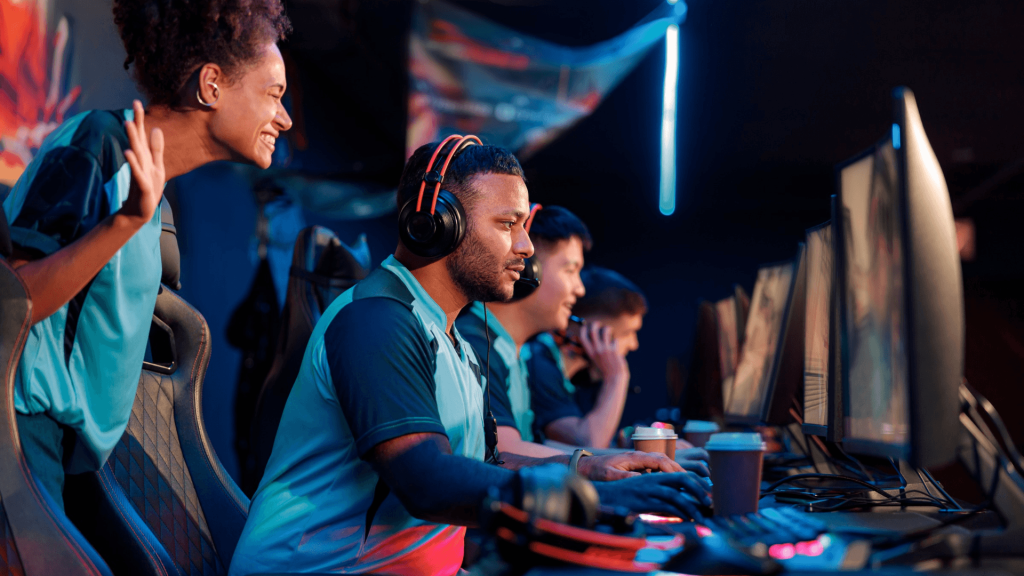
Africa’s Gaming Industry Is Growing Faster Than Many Realise
According to the 2026 Africa Games Market analysis by Carry1st and Newzoo, Africa’s gaming industry is forecast to generate approximately US$1.98 billion in revenue in 2026, an 11.9% increase from 2025.
The continent’s gaming population is also projected to surpass 406 million players, representing approximately 11% of the world’s gamers.
Perhaps the most interesting finding is where this growth is coming from.
Mobile gaming is expected to account for 81.8% of Africa’s gaming revenue in 2026, equivalent to approximately US$1.62 billion.
That is important because mobile gaming lowers one of the biggest barriers to participation.
Players no longer need expensive gaming computers or consoles to enjoy competitive and social gaming experiences.
A smartphone can provide access to popular games, online communities, competitive challenges and gaming content.
And the momentum is expected to continue.
PwC’s Africa Entertainment & Media Outlook 2026–2030 projects gaming revenue growth above the global average in Kenya, Nigeria and South Africa.
By 2030, gaming revenues are forecast to reach:
- South Africa: US$698 million.
- Nigeria: US$431 million.
- Kenya: US$133 million.
These figures reflect the wider gaming industry, including spending on games and related products. They do not represent money earned directly by content creators.
However, the expanding audience creates new opportunities for businesses built around gaming.
And that is where the creator economy comes in.
Gaming Is No Longer Just About Playing. It Is About Creating Content.
Think about why millions of people watch gaming videos online.
Not everyone watching a gaming livestream is interested in becoming a professional player.
Some want entertainment.
Others want to learn strategies, discover new games, watch competitive matches or simply enjoy the personality of their favourite gaming creator.
Gaming content brings together entertainment, education, competition and community.
A creator might build an audience by playing EA Sports FC, Call of Duty: Mobile, PUBG Mobile or other popular titles.
But their real appeal might come from their commentary, humour, playing style or ability to engage viewers.
This distinction is important.
You don’t have to be the best gamer to become a successful gaming content creator.
You need to give people a compelling reason to watch.
In Kenya, creators such as Sylvia Gathoni, popularly known as Queen Arrow, have helped demonstrate that gaming can develop into a professional career.
As highlighted in Twiva’s Top Creators to Watch in Kenya: Class of 2026, Kenya’s gaming community includes competitive players, entertainers and community builders developing distinct identities around gaming.
Their growing visibility points to an industry that is gradually moving beyond casual entertainment.
But the real opportunity is understanding how gaming content can generate revenue.
1. Livestreaming: Turning Gameplay Into Audience-Supported Income
One of the most accessible ways for gaming creators to develop an audience is through livestreaming.
Unlike prerecorded videos, livestreaming allows viewers to participate in the experience as it happens.
They can ask questions, react to gameplay, suggest challenges and engage directly with the creator.
A gaming livestream can become a recurring entertainment experience rather than a one-off video.
Imagine a Kenyan gaming creator hosting live matches every Friday evening.
Over time, viewers begin returning regularly, recognising other participants and developing a sense of community.
That relationship can create monetisation opportunities.
How gaming creators can earn from livestreaming
Depending on the platform and eligibility requirements, creators may earn through advertising revenue, paid memberships, viewer contributions, virtual gifts and sponsored streams.
For example, YouTube’s creator monetisation features include memberships, Super Chat, Super Stickers and other earning options for eligible creators in supported markets.
Gaming creators can also explore interactive livestream experiences through Twiva Livestream, which offers features such as virtual gifting, interactive games and multi-platform broadcasting.
However, livestream revenue is not guaranteed.
Creators need to develop consistent programming, engage audiences regularly and build enough trust that viewers want to support their work.
The opportunity lies in making the audience feel like part of the experience.
Because in gaming, people often come for the gameplay but stay for the personality.
2. Brand Sponsorships: Gaming Audiences Are Valuable to More Than Gaming Companies
As gaming communities expand, brands have more reasons to pay attention.
Gaming creators can offer access to engaged audiences with interests that extend beyond video games.
For example, a smartphone manufacturer might collaborate with a mobile gaming creator to demonstrate a device’s performance.
A telecommunications company could sponsor gaming content focused on connectivity and competitive play.
A technology retailer might work with creators to review accessories such as headphones, microphones and gaming keyboards.
Even businesses outside the technology sector can explore relevant partnerships if the creator’s audience matches their target customers.
The opportunity is to make sponsorships feel like a natural part of the gaming experience.
What makes a strong gaming brand partnership?
Relevance matters.
A creator promoting a gaming headset while demonstrating how it performs during gameplay offers audiences something useful.
The product becomes part of the content rather than an interruption.
Brands should also evaluate creators based on audience quality, engagement and the ability to communicate product value, not simply follower counts.
Through Twiva Influence, gaming creators and other content professionals can explore opportunities to connect with brands seeking relevant audiences.
For brands, gaming partnerships can offer access to communities that may be harder to engage through conventional advertising.
For creators, successful partnerships can become an important income stream.
But fair compensation, transparent agreements and authentic product recommendations should remain central to the relationship.
3. Esports: Opportunities Beyond Tournament Prize Money
Competitive gaming is another area attracting attention across Africa.
Esports tournaments are becoming more organised, offering talented players opportunities to compete locally, regionally and internationally.
In September 2026, the Carry1st Africa Cup brought together teams competing in Call of Duty: Mobile, with a reported US$30,000 prize pool.
According to The Creative Brief’s analysis of African esports, the tournament represented one of the continent’s most significant mobile esports competitions.
But there is an important distinction between winning esports competitions and building a sustainable gaming career.
Tournament prizes are competitive, irregular and only accessible to a relatively small number of participants.
Not everyone can become a championship-winning player.
Fortunately, esports creates professional opportunities beyond competition.
These include tournament hosting, commentary, livestream production, event coverage, gaming analysis, coaching, video editing and community management.
A creator who understands a popular game could develop a career explaining tournaments, interviewing players or producing highlights.
Another might become a recognised esports commentator.
A production-focused creator could provide broadcasting and editing services for tournament organisers.
In other words, you don’t necessarily need to win the tournament to earn from the entertainment surrounding it.
As esports develops, these supporting creative roles could become increasingly important.
4. Gaming Reviews and Affiliate Marketing: Turning Recommendations Into Revenue
Gaming audiences frequently look for recommendations before making purchases.
They want to know which smartphones can handle demanding games, which headsets offer good audio quality and whether particular accessories are worth buying.
Creators who produce credible reviews can help audiences make those decisions.
This creates opportunities for affiliate marketing.
Instead of relying exclusively on sponsorships, creators can earn commissions by recommending relevant products through tracked referral links.
For example, a gaming creator could produce a video comparing budget gaming headsets available in Kenya.
They could discuss sound quality, microphone performance, comfort and value for money.
Interested viewers could then follow an affiliate link to purchase a recommended product.
When qualifying purchases are completed, the creator may earn a commission under the relevant programme’s terms.
Through Twiva Commerce, creators can explore digital storefronts and commission-based product promotion.
Gaming-related products that may suit this approach include smartphones, accessories, gaming chairs, controllers, microphones and computer equipment.
But there is one important principle.
Trust is worth more than a quick commission.
A gaming creator who recommends poor-quality products simply because they offer attractive commissions risks damaging the relationship with their audience.
Credible reviews, transparent disclosures and genuine product knowledge should come first.
5. Building Gaming Communities Can Create Independent Business Opportunities
One of gaming’s biggest strengths is its ability to bring people together.
Players form teams, join online communities, discuss strategies and develop friendships around shared experiences.
For creators, these communities can become valuable assets.
Imagine a gaming creator who builds a loyal community of 5,000 mobile gaming enthusiasts.
Instead of relying entirely on views, they could organise community tournaments, host training sessions or develop premium educational content.
They might collaborate with businesses to sponsor events or create gaming-related merchandise.
A creator with strong production skills could even launch a recurring gaming show.
These opportunities move beyond simply monetising content.
They involve building products, services and experiences around audience interests.
However, successful community monetisation requires careful planning.
Creators need to understand what their audiences genuinely value and what they are willing to pay for.
Paid competitions also require appropriate rules, transparent prize arrangements and compliance with applicable laws and game publisher policies.
And if a creator collects customer information or accepts payments, they must handle those responsibilities professionally.
The goal should be to create experiences that benefit the community rather than charge audiences for every interaction.
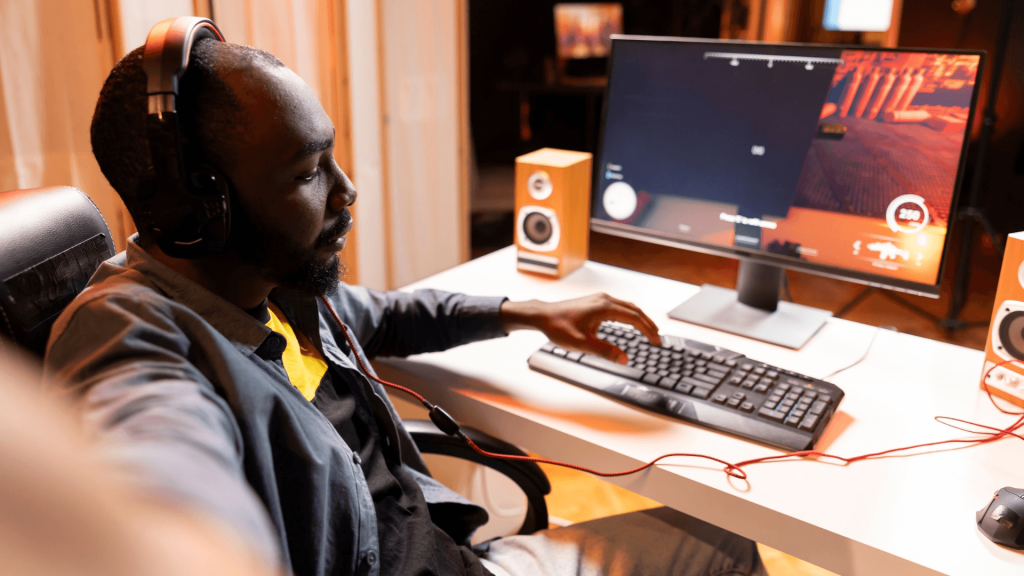
The Reality Check: Gaming Revenue Doesn’t Automatically Mean Creator Revenue
Africa’s gaming growth is exciting, but the industry still faces significant challenges.
Internet costs, equipment expenses, electricity reliability and access to appropriate payment systems can affect creators’ ability to participate.
The GSMA Mobile Economy Africa 2026 report estimates that 63% of Africa’s population was not using mobile internet in 2025 despite living within mobile broadband coverage.
This highlights the difference between network availability and actual digital participation.
For gaming creators, connectivity costs can be particularly important because livestreams and multiplayer gaming require dependable internet access.
There are commercial challenges too.
Growing an audience takes time.
Platform monetisation features have eligibility requirements.
Brand opportunities may be inconsistent.
And esports prizes should not be treated as predictable monthly income.
Creators also need to understand copyright and streaming policies, especially when publishing gameplay, using licensed music or repurposing content from tournaments.
A sustainable gaming business needs more than an entertaining livestream.
It requires financial planning, content strategy, professional agreements and realistic revenue expectations.
How to Start Building a Gaming Content Business in Africa
For aspiring gaming creators, the opportunity does not necessarily require purchasing expensive equipment immediately.
A smartphone, reliable internet connection and a clear content strategy can provide a starting point.
A practical approach involves five steps.
1. Choose a gaming niche. Focus on a game, genre or community you genuinely understand. You could specialise in mobile football games, competitive shooters, gaming reviews or esports commentary.
2. Develop a recognisable content format. Create recurring videos or livestreams that give audiences a reason to return. Consistency matters more than publishing random gameplay clips.
3. Build community engagement. Respond to viewers, create opportunities for participation and develop relationships beyond individual videos.
4. Test different income streams. As your audience grows, explore eligible platform monetisation, relevant sponsorships, affiliate marketing or paid services. Avoid depending on one source of income.
5. Treat your content like a business. Track production expenses, maintain records of earnings, understand contracts and measure performance.
For creators looking to strengthen these skills, Twiva Academy offers learning opportunities focused on content strategy, monetisation and professional development.
The objective is to help creators move from producing content for fun to understanding how their creativity can generate sustainable commercial value.
What Africa’s Gaming Boom Means for Brands
The rise of gaming also presents a strategic opportunity for African businesses.
Gaming communities are not simply audiences consuming entertainment.
They are groups of people connected through shared interests, conversations and experiences.
Brands looking to reach these audiences should consider partnerships that offer genuine value.
That could involve sponsoring a community tournament, supporting a gaming creator’s livestream series or developing relevant educational content around gaming products.
Rather than interrupting the gaming experience, brands should look for opportunities to contribute to it.
The approach requires an understanding of gaming culture, audience behaviour and the commercial value of creator partnerships.
As gaming becomes a more established entertainment category, brands that understand these communities may be better positioned to develop credible relationships with them.
Africa’s Gaming Future Is Also a Creator Economy Opportunity
Africa’s gaming industry is growing, and the numbers suggest the momentum could continue.
Millions of players are participating across the continent.
Mobile gaming is expanding access.
Esports is attracting greater visibility.
And gaming content is creating new opportunities for entertainment, community building and commerce.
But the industry’s long-term success should not simply be measured by the number of people playing games or the revenue generated by gaming companies.
It should also be measured by the opportunities created for the people building businesses around gaming.
At Twiva, we believe creators deserve access to skills, commercial opportunities and tools that help turn their passions into sustainable income.
Gaming is another example of how that vision can extend beyond traditional influencer marketing.
Whether someone is a competitive gamer, livestreamer, commentator, gaming educator or content producer, the opportunity is to build value around an audience that shares their interests.
Africa’s next generation of gaming entrepreneurs may not simply be the people winning tournaments.
They could be the creators building the shows, communities, experiences and businesses that make gaming worth watching.
And that is where gaming moves from playtime to a serious creative economy opportunity.