
Powerful Conversations Shaping the Future of Kenya’s Creative Economy: HIT Speaks May 2026 Edition
The May edition of HIT Speaks brought together some of the brightest minds across Kenya’s creative economy and digital industries for an afternoon of insight, strategy, and honest conversations about what it takes to thrive in today’s rapidly evolving creator economy space.

Held on May 8th, the event gathered creatives from diverse disciplines, including music, visual arts, design, content creation, film, photography, and technology for an immersive learning experience designed to bridge inspiration with practical action. With sessions spanning live performance, music streaming growth, creator monetization, and the rise of esports, this edition of HIT Speaks delivered one clear message: the future belongs to creators who understand both their craft and the business behind the creative economy.
Among the standout speakers was Twiva’s Head of Operations, who led a thought-provoking session on Revenue Strategies for Modern Creators, unpacking how creators can move beyond vanity metrics and build sustainable income systems.
Here is a full recap of the key discussions and insights shared throughout the event.
Building Experiences, Not Just Performances
The event opened with Ireri Murugi’s session on How to Perform Like a Headliner, which challenged creatives to rethink what live performance really means.
Ireri emphasized that successful performances are carefully engineered experiences designed to guide audience emotion from beginning to end.
A key takeaway was the importance of structuring a performance journey. From the opening moments that capture attention to peak energy moments and memorable closings, performers need to think like storytellers.
The conversation also explored stage presence and intentional movement, with Ireri explaining how creatives can use physical space to command attention and build stronger audience connection.
Perhaps the strongest reminder from this session was that discipline often outweighs raw talent.
In an era where viral clips can create overnight visibility, she reinforced that consistency, preparation, and professionalism remain the foundation of long-term success.
Winning on Spotify Requires Strategy, Not Luck
The second session, led by Agnes Opondo, Spotify East Africa’s Artists & Label Partnerships Manager, tackled one of the most pressing questions for modern musicians: How do you grow and win on Spotify?
For many artists, streaming platforms can feel mysterious. Agnes demystified the process by breaking down how discovery works on Spotify, explaining the interplay between algorithmic recommendations, editorial curation, listener behaviour, and release consistency.
Creator Monetization in an Evolving Creative Economy
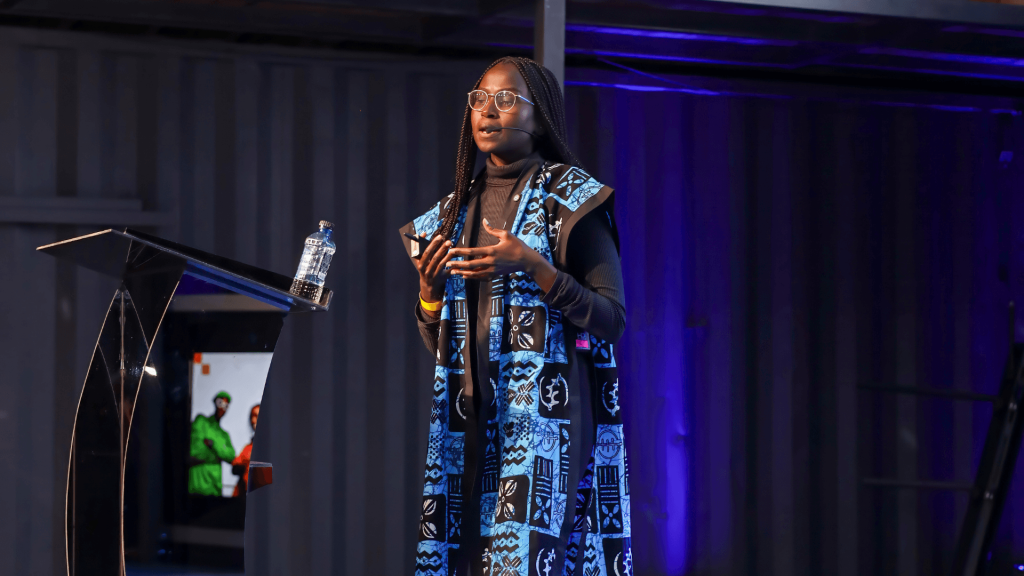
One of the most impactful sessions of the day came from Wangari Kinyanjui, whose presentation on Revenue Strategies for Modern Creators addressed one of the biggest challenges facing today’s digital talent: monetization.
Wangari explored the ongoing shift from creators being seen purely as influencers to becoming fully-fledged digital entrepreneurs.
She outlined the difference between short-term income models, such as one-off brand deals, and more sustainable revenue structures built through social commerce, audience ownership, and repeatable monetization systems.
Wangari also unpacked the many monetization opportunities available beyond traditional sponsorships, including:
▪️Merchandising: Creators can develop low-cost, high-margin products aligned with their audience identity.
▪️Digital Products: Templates, presets, guides, educational resources, and exclusive content packages.
▪️Experiences: Listening parties, workshops, masterclasses, and VIP access.
▪️Social Commerce: Using affiliate-style selling models such as Twiva’s platform, where creators can earn commissions by promoting relevant products without managing inventory.
Equally powerful was her discussion on building a personal brand that converts.
Popularity, she explained, does not always equal trust.
Creators must position themselves strategically by understanding what their audience values and creating content that naturally drives action.
She also stressed the importance of financial discipline, urging creators to:
- Separate personal and business finances
- Reinvest earnings into growth
- Set measurable monthly revenue goals
Her closing message: “The next generation of creators will not simply create content. They will build businesses.”
Esports: Africa’s Next Creative Frontier
The final session, led by Winnie Gathu, explored a space that is rapidly gaining momentum globally but remains underexplored by many local creatives: esports.
Winnie positioned esports not merely as gaming, but as a multidimensional creative ecosystem.
One of the most exciting parts of the discussion focused on how non-gamers can participate in and profit from this growing space.
Creatives in film, visual design, music production, and digital media were encouraged to view esports as an emerging marketplace for collaboration and innovation.
Examples included:
- Producing tournament visuals
- Creating soundtracks
- Designing team merchandise
- Managing esports communities
- Building branded content campaigns
Winnie also highlighted Africa’s unique opportunity.
Rather than trying to replicate established Western ecosystems, she encouraged local creators to build culturally relevant gaming experiences rooted in African storytelling, aesthetics, and audience behaviours.
The Panel Discussion: Connecting the Dots
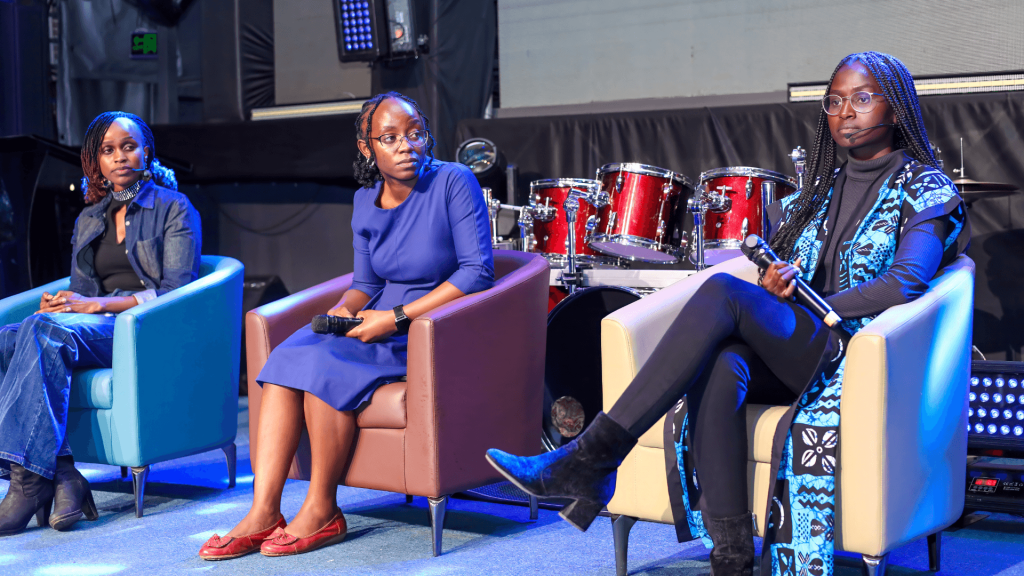
The event concluded with a lively panel discussion that brought all four speakers together for audience questions and open dialogue.
A recurring thread across all conversations was the importance of intentionality.
Whether building a performance, growing a music audience, monetizing content, or entering emerging industries, success requires more than talent.
It demands:
- Strategy
- Systems
- Adaptability
- Consistency
Looking Ahead
The May edition of HIT Speaks was more than a workshop.
It was a reminder that Kenya’s creative economy is entering a new era, one defined by ownership, innovation, and cross-industry collaboration.
Twiva’s participation reinforced the company’s commitment to equipping creators with practical tools to thrive in this evolving landscape.
As conversations around creator monetization continue to grow, one thing is becoming impossible to ignore: The future of creativity is not just about expression.
It is about building sustainable ecosystems where creators can turn passion into profit, influence into enterprise, and content into long-term opportunity.