
A Future in the Creative Economy: Twiva and ISA Bring the Creator Campus Tour to USIU-Africa
From preparing students for careers in marketing and advertising to helping aspiring creators turn content into income, Twiva and ISA Campus Tour at USIU-Africa brought two career pathways together for a day of learning, practical insights and creative development.
What does it really take to build a successful career in today’s creative economy?
Is a university degree enough to secure a place in the marketing and advertising industry? Can a passion for content creation become a sustainable source of income? And what skills do young professionals need to turn their ambitions into real opportunities?
These questions were at the heart of the Campus Creator Tour, held on Thursday, November 12, 2026, at United States International University-Africa (USIU-Africa).
Organised through a collaboration between Twiva Academy and the International School of Advertising (ISA Africa), the event brought together two complementary career pathways under one theme: One Future in the Creative Economy.
The morning session, led by ISA Africa, focused on what it takes for students and recent graduates to enter the competitive marketing and advertising industry.
The afternoon shifted attention to the creator economy, with Twiva exploring how creators can learn, earn and grow through professional development, brand partnerships and new monetisation opportunities.
Beyond the presentations, the day provided an opportunity for participants to engage with industry perspectives and learn how to improve their content through practical reviews.
The message connecting both sessions was clear: academic knowledge and creative talent provide valuable foundations, but building a career requires practical skills, continuous learning and the ability to demonstrate value.
Morning Session: Life Beyond the Degree
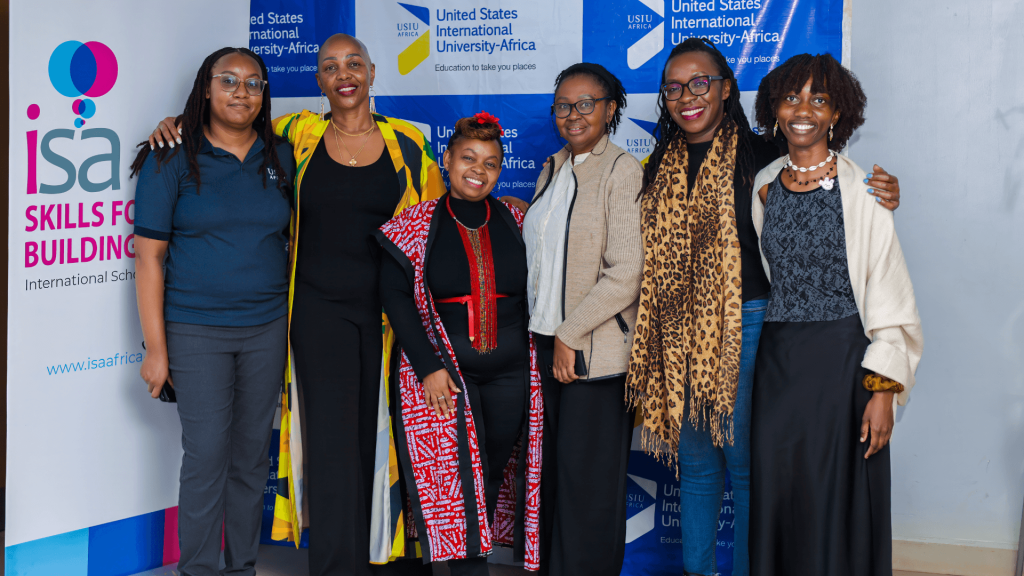
What It Takes to Enter the Marketing and Advertising Industry
For many university students, graduation represents an exciting milestone.
But it also comes with uncertainty.
What happens after receiving your degree? What skills are employers looking for? How do you gain experience when entry-level opportunities already demand experience?
These are familiar challenges for students aspiring to careers in marketing, advertising, brand communications and related fields.
The morning session, led by the International School of Advertising, focused on bridging the gap between academic learning and professional practice.
Under the theme Beyond the Degree: What It Takes to Enter the Marketing and Advertising Industry, the conversation explored the realities of entering an industry where practical execution, strategic thinking and communication skills matter alongside academic qualifications.
Marketing is no longer simply about creating advertisements or managing promotional campaigns.
Today’s professionals must understand consumer behaviour, interpret data, develop brand strategies, navigate digital platforms and communicate ideas that address business challenges.
For students preparing to enter the workforce, understanding these expectations is an important first step.
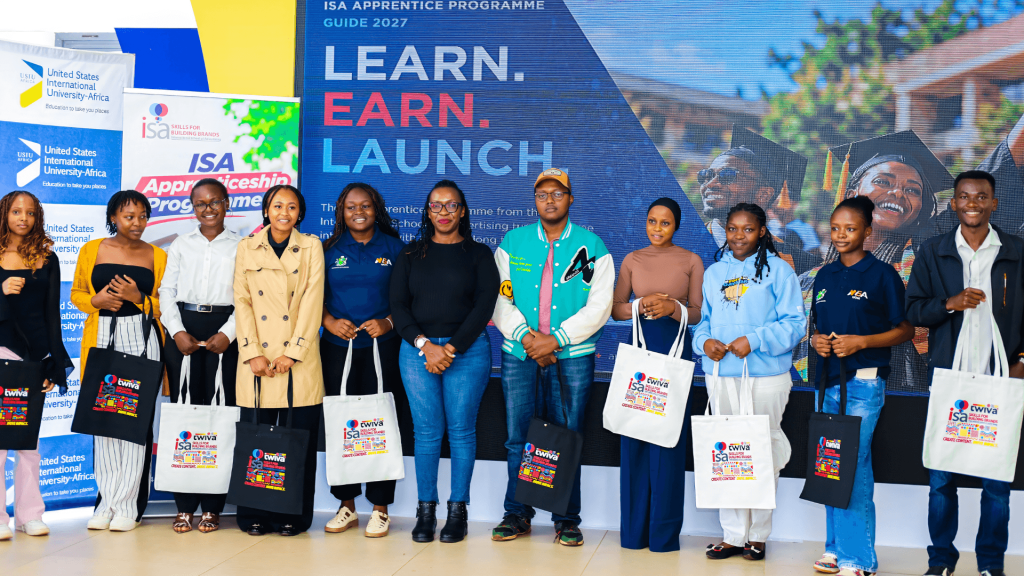
From Classroom Knowledge to Industry Experience
One of the central themes of the morning was the importance of practical experience.
Learning marketing concepts in class provides an essential foundation. Applying those concepts to an actual business problem requires another set of skills.
A classroom assignment might ask students to develop a marketing strategy.
In a professional environment, that strategy must respond to a specific business objective, work within a budget, consider customer behaviour and demonstrate measurable outcomes as articulated by Mary Gitari, CEO & Co-Founder, Brand Spark PR.
Students therefore need opportunities to move beyond theory and understand how marketing works in real organisations.
This includes learning how campaign briefs are developed, how agencies collaborate with brands, how marketing teams evaluate creative ideas and how success is measured.
The discussion also reinforced the value of building a professional portfolio.
For aspiring marketers, a portfolio can demonstrate much more than academic achievement. It provides evidence of problem-solving abilities, strategic thinking, creativity and practical execution.
Whether through student projects, internships, volunteering or personal initiatives, young professionals can begin demonstrating their capabilities before securing their first full-time role.
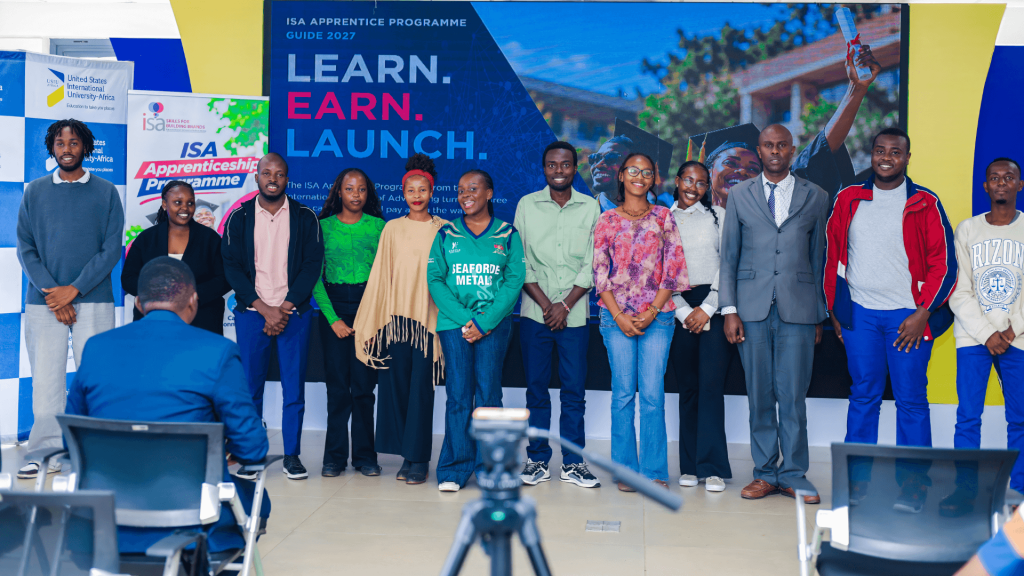
Introducing the ISA Apprenticeship Programme
A key focus of the morning session was ISA Africa’s Apprenticeship Programme, designed to help students and recent graduates transition into the marketing and advertising industry.
The ISA Apprenticeship Programme combines professional learning with practical industry exposure.
Its structure includes six months of virtual interactive learning followed by a three-month paid apprenticeship component, providing a pathway for participants to apply their knowledge in professional environments.
The curriculum covers marketing and brand planning, strategic advertising management, digital business, integrated media management, account management and life skills.
Through industry-focused learning, mentorship and practical assignments, the programme aims to equip participants with skills relevant to modern marketing roles.
For students attending the Campus Creator Tour, the programme provided a clearer picture of how professional development can help bridge the transition from university to employment.
It also reinforced an important career lesson: Your degree may help open the door, but your ability to apply what you have learned is what helps you build a career.
That message provided a natural transition into the afternoon session, where Twiva explored a different but increasingly relevant professional pathway.
Afternoon Session: Learn, Earn and Grow
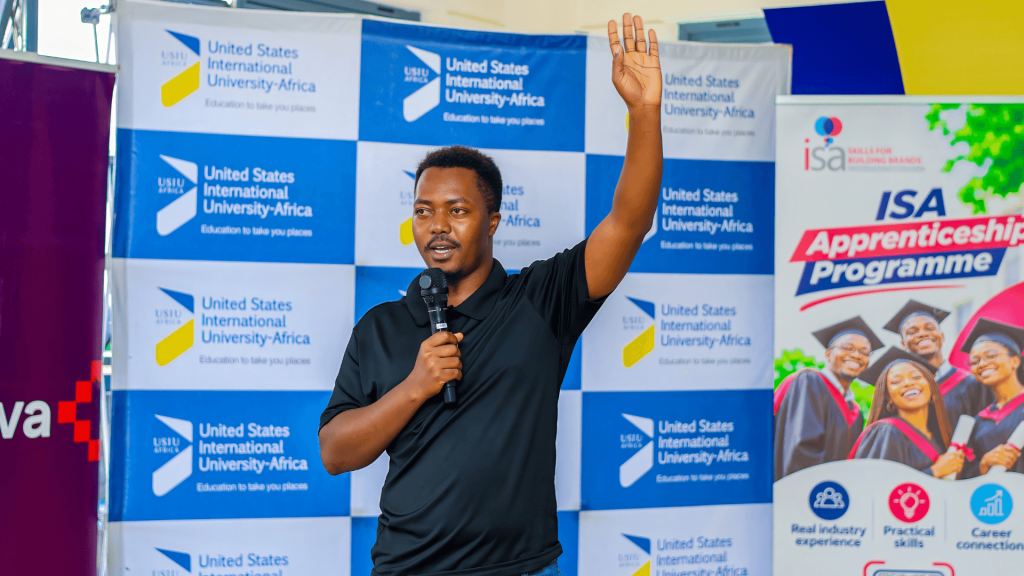
Turning Content Creation into a Sustainable Career
The afternoon session placed the spotlight on Africa’s growing creator economy.
Under the theme Learn How to Earn and Grow as a Creator, Twiva introduced participants to the opportunities emerging around content creation, digital influence and social commerce.
For many young people, content creation starts with a smartphone, an idea and the confidence to publish something online.
But turning that creativity into a career requires more than consistently posting videos or growing followers.
Creators need to understand their audiences, develop recognisable personal brands, produce valuable content and identify opportunities to earn from their work.
They also need professional skills that help them navigate brand relationships, pricing, contracts and business growth.
The afternoon discussion explored this distinction between creating content as a hobby and approaching content creation as a profession.
Being a content creator is about producing content. Becoming a creator entrepreneur is about building something sustainable around that content.
That distinction is central to Twiva’s mission of helping African creators learn, earn, grow and scale.

Understanding the Twiva Creator Ecosystem
An important part of the session introduced participants to the different solutions within the Twiva ecosystem and how they support creators at different stages of their careers.
Rather than focusing exclusively on connecting creators with brands, Twiva’s ecosystem is designed around the wider journey from skills development to commercial opportunities.
Twiva Influence connects creators with brands seeking relevant audiences and supports opportunities for creator-led marketing campaigns.
Twiva Commerce introduces another route to monetisation by enabling creators to promote products and potentially earn commissions from qualifying sales.
Twiva Livestream expands opportunities for interactive engagement, allowing creators to connect with audiences through live experiences, product demonstrations and commerce-related activities.
Twiva Pay focuses on the financial side of the creator ecosystem, including streamlining and managing the creators’ payments and access to financial services.
And at the centre of the afternoon’s discussion was Twiva Academy, the learning and professional development arm designed to help creators build the skills required to succeed.
Together, these solutions reflect an important shift in the creator economy.
The opportunity is no longer limited to securing occasional sponsored posts.
Creators can explore multiple income streams, develop business relationships, improve their professional capabilities and build sustainable creative enterprises.
However, accessing those opportunities requires knowledge and preparation.
That is where Twiva Academy comes in.

Building the Next Generation of Creator Entrepreneurs
Our Story
A major highlight of the afternoon was the introduction of the creator training programme developed through the partnership between Twiva Academy and ISA Africa.
The partnership brings together Twiva’s creator-focused ecosystem and ISA’s experience in professional marketing and advertising education.
The collaboration seeks to address a growing challenge in Africa’s creator economy: the gap between having creative talent and having the knowledge to turn that talent into sustainable income.
Across Kenya, many creators have developed audiences through TikTok, Instagram, YouTube and other digital platforms.
But growing an audience does not automatically prepare someone to negotiate a brand deal, manage a production budget or operate a profitable business.
The Twiva Academy Creator Programme is designed to help bridge that gap.
Through structured learning and practical exercises, Twiva Academy aims to equip creators with knowledge they can apply to their own content and commercial activities.
The programme offers pathways for creators at different stages, from those establishing their foundations to more experienced creators seeking to build and scale their businesses.
Its emphasis on practical learning reflects the wider theme of the Campus Creator Tour.
Creativity gets you started. Skills, structure and business knowledge help you grow.
For students interested in building careers around their social media presence, the programme provides a structured opportunity to move beyond trial and error. For more information, visit www.twiva.com/academy.
From Theory to Practice: Twiva’s Interactive Creator Content Review
The afternoon session did not stop at introducing tools and commercial opportunities.
It also included an interactive content review, giving creators an opportunity to examine their work and identify areas for improvement.
This practical component was particularly relevant because content creation is a skill developed through experimentation, feedback and consistent refinement.
A creator might publish regularly but struggle to understand why some videos perform better than others.
Another might have strong ideas but find it difficult to capture attention during the opening seconds of a video.
Others may need greater clarity around their niche, storytelling structure or the value their content provides to audiences.
The review session created space to examine these challenges through real creator content.
Rather than treating content performance as a matter of luck, the conversation encouraged participants to think more deliberately about what they produce and why.

Five Key Takeaways for Creators After the Campus Tour
For creators looking to improve their content creation processes, the event offered several practical lessons to build on.
1. Know Your Audience Before Creating Content
Good content begins with understanding who you are trying to reach.
Creators should identify their audience’s interests, challenges and expectations.
A clear audience focus makes it easier to develop relevant topics, select suitable formats and build a consistent content identity.
2. Make the Opening Seconds Count
Audiences have countless pieces of content competing for their attention.
A strong opening should quickly establish why a video is worth watching.
This could involve asking an interesting question, introducing a problem, demonstrating a surprising result or communicating a clear benefit.
The goal is to create genuine interest, not misleading clickbait.
3. Improve Your Storytelling and Production Process
Better content does not always require expensive equipment.
Clear audio, suitable lighting, thoughtful framing and effective editing can make a significant difference.
But technical quality should support the story.
Creators should plan what they want to communicate, organise the content into a logical sequence and remove unnecessary distractions.
A clear message delivered well will often be more useful than a visually impressive video without direction.
4. Create With Purpose and Measure What Matters
Creators should understand what they want each piece of content to accomplish.
Is the goal to educate, entertain, encourage conversation, grow an audience or generate business enquiries?
These objectives should guide both content development and performance measurement.
Views and likes can provide useful feedback, but creators should also examine audience retention, meaningful engagement, enquiries and other outcomes relevant to their goals.
5. Treat Content Creation Like a Business
Consistency matters, but consistency without direction can become exhausting.
Creators should develop manageable content schedules, organise ideas, track performance and continuously improve their skills.
Those seeking commercial opportunities should also build portfolios, understand their rates and develop professional approaches to working with brands.
As explored in Twiva’s article on turning content into a sustainable career, long-term success requires more than visibility.
It requires a strategy for turning creative work into lasting value.
Two Pathways, One Future: Preparing Young Africans for the Creative Economy
Although the morning and afternoon sessions explored different career pathways, they shared a common message.
Young people need practical skills, industry exposure and opportunities to apply what they learn.
For aspiring content creators, Twiva Academy provides an opportunity to strengthen creative capabilities while learning the business of content creation.
The Creator Campus Tour May Be Over, but the Learning Continues
The November 12 Campus Creator Tour at USIU-Africa demonstrated the value of connecting education with practical industry opportunities.
Through ISA Africa’s morning session, participants explored what it takes to prepare for careers in marketing and advertising.
Through Twiva’s afternoon session, creators gained insights into the wider creator economy, opportunities within Twiva’s ecosystem and the importance of developing professional content creation skills.
The interactive reviews offered a practical reminder that improvement begins with understanding what works, identifying what needs attention and applying those lessons consistently.
At Twiva, we believe Africa’s young creatives deserve more than inspiration.
They deserve access to knowledge, tools and opportunities that help them turn their ambitions into meaningful careers.
We are committed to helping the next generation of creators and marketing professionals build skills relevant to a rapidly changing industry.
To everyone who participated in the Campus Creator Tour, the next step is to put that learning into practice.
Review your content. Refine your strategy. Develop your skills. Explore your opportunities.
And remember, whether your goal is to build a career in advertising or establish yourself as a professional creator, growth begins when you start applying what you learn.
Ready to take your creator journey further? Explore Twiva Academy and discover the learning pathways available to you.