
Going Viral Is Not the Finish Line: How Creators Can Sustain Their Hype
Going viral feels like winning.
For a creator, one video can suddenly bring thousands of followers, millions of views, brand enquiries and a level of recognition that did not exist a week earlier.
Then comes the dangerous question: What do you do next?
Because the internet has a short memory.
Today’s biggest creator can become tomorrow’s “Whatever happened to…?” story surprisingly quickly.
The real skill is not going viral.
It is turning virality into momentum.
Kenya has seen this happen repeatedly. Creators such as Crazy Kennar have managed to stay relevant well beyond individual viral moments, while newer acts such as HEHA Movers are now facing the same challenge from a completely different starting point.
The difference between a viral creator and a sustainable creator is what happens after the numbers explode.
Virality gives you attention. It does not give you a career.

A viral video can give you:
- Reach
- Followers
- Recognition
- Brand interest
- Media coverage
- Social proof
But it does not automatically give you:
- A loyal community
- A clear brand
- Reliable income
- Repeat audiences
- Strong business systems
- Long-term relevance
That is why some creators go viral once and disappear while others use the moment to build something much bigger.
Twiva’s guide on turning content into a sustainable career makes an important distinction: creators need more than content. They need strategy, skills, audience trust and an income system capable of surviving changes in algorithms and audience behaviour.
Crazy Kennar is a good example
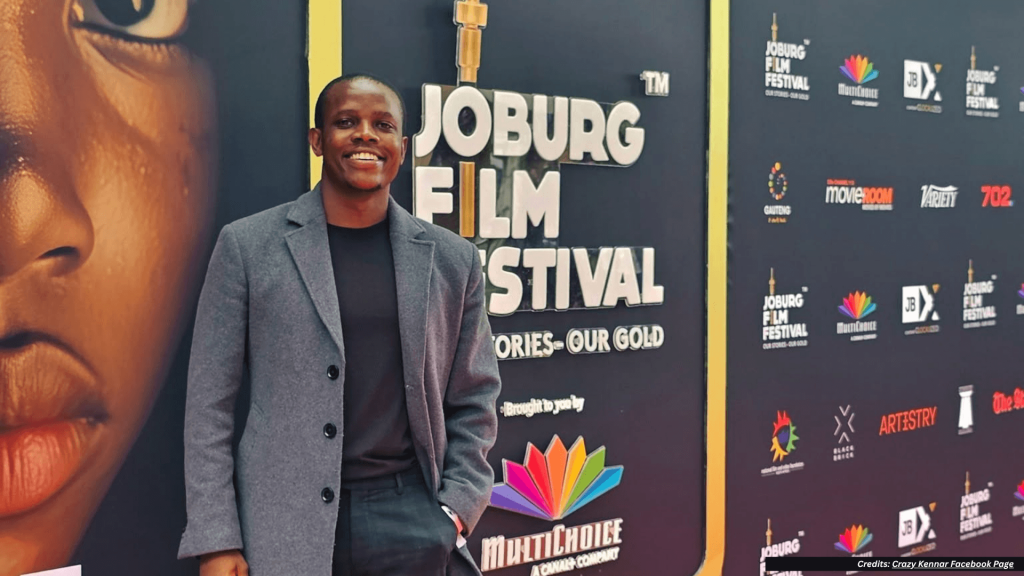
Few Kenyan creators illustrate this better than Crazy Kennar.
Kennedy Odhiambo did not become one of Kenya’s best-known digital comedians from one lucky post.
He built a recognisable style around relatable Kenyan experiences, comedy, characters and social commentary.
His rise has been sustained through consistent content, collaboration and evolution.
In 2024, Pulse Kenya described Kennar as one of the country’s most celebrated creators, noting that he had won Comedy Influencer of the Year four consecutive times from 2021 to 2024.
More recently, Citizen Digital described his influence as extending beyond Kenya, with his comedy reaching audiences across East and West Africa.
That is the difference.
Kennar did not simply try to recreate one viral video.
He built a recognisable creator identity.
Lesson 1: Turn the viral moment into a recognisable identity
A viral post gets people to notice you.
Your identity gives them a reason to remember you.
Ask yourself: What should people immediately associate with my name?
For you, it could be fashion, football analysis, personal finance, beauty, technology or storytelling.
Whatever it is, the important thing is clarity.
Dive deeper with Twiva’s guide for creators to becoming a creative professional.
Lesson 2: Don’t become a one-hit meme
This is one of the biggest dangers after going viral.
A creator finds something that works.
It explodes.
So, they make the same thing 47 more times.
The first five work.
The next ten feel familiar.
Eventually the audience knows exactly what is coming.
The trick is to keep the core identity while evolving the format.
Lesson 3: Build a world, not just a feed
This is particularly important for comedy creators.
Characters can become assets.
Catchphrases can become assets.
Recurring situations can become assets.
A creator who builds a recognisable world gives audiences something to return to.
Think about it.
You don’t necessarily follow a creator because you want to see “another video.”
You follow because you want to see what happens next.
That is a much stronger relationship.
Lesson 4: Give people a reason to follow, not just a reason to watch
This distinction is subtle.
A viral video gives people a reason to watch.
A creator brand gives people a reason to follow.
Before your viral moment fades, ask: What do I want these new followers to see next?
If the answer is unclear, you have a problem.
The creator should quickly establish:
- What kind of content they make
- What they are known for
- What audiences can expect
- When they post
- Where else they can be found
- What makes them different
Virality creates discovery.
Consistency creates retention.
Lesson 5: Use the attention while it is hot
This does not mean posting 15 times a day because you’re afraid the algorithm will forget you.
It means recognising that attention creates an unusually valuable window.
If one video suddenly brings you 50,000 new followers, that is the moment to:
- Improve your profile
- Pin your strongest content
- Introduce yourself
- Direct people to related content
- Create follow-up content
- Collaborate
- Build your email or WhatsApp community where appropriate
- Pitch aligned brands
- Launch relevant products or services
Do not wait until the hype is gone to decide what the hype was supposed to accomplish.
Lesson 6: Diversify your income before you need to
This is one of the biggest lessons from the African creator economy.
According to the 2026 Africa Creator Economy Report, brand sponsorships account for 28% of reported creator income, while digital products and services account for 25% and physical merchandise for 14.2%. Advertising accounts for only 5.8%.
That tells us that the creator economy is bigger than brand deals as the strongest creators think like businesses.
Twiva’s guide to how African creators make money explores this shift in more detail.
Lesson 7: Don’t Accept Every Brand Deal
Going viral can make brands suddenly appear in your inbox.
That is exciting. It can also be dangerous.
The temptation is to accept everything.
But if your first ten brand partnerships after going viral have nothing to do with one another, your audience may struggle to understand what you actually stand for.
And brands may struggle too.
Twiva’s research on vetting creators for true impact highlights why relevance and authenticity matter more than simply chasing large follower counts.
The same principle works in reverse.
Creators need to vet brands too.
Lesson 8: Turn followers into a community
Followers are a number.
Community is a relationship.
There is a reason creators who can get their audiences to attend events, buy products, participate in conversations or return repeatedly have a stronger business foundation.
A person who watches your video is a viewer.
A person who buys your product, attends your event and shares your content is becoming part of your community.
Lesson 9: Keep learning
Going viral can create the illusion that you’ve figured everything out.
You haven’t.
Platforms change.
The audience changes.
The algorithms change.
The business models change.
The creator needs to change too.
The creator who treats virality as the end goal eventually becomes dependent on the next viral hit.
The creator who treats virality as an opportunity to build skills becomes much harder to replace.
Lesson 10: Build something that can survive without the algorithm
This may be the biggest lesson of all because your reach can fall overnight.
A sustainable creator therefore needs assets they control more directly. Like a website, podcast or having multiple platforms.
Doing this doesn’t mean you are trying to escape social media.
You are simply trying to avoid becoming completely dependent on the one social platform.
Virality is the invitation – Consistency is the career
Crazy Kennar’s journey offers one of the clearest lessons for emerging Kenyan creators.
He did not remain relevant because he kept trying to recreate the exact moment that made people notice him.
He built a recognisable identity, kept creating, expanded his opportunities and developed value beyond individual viral posts. His continued presence across platforms and creative projects illustrates the importance of evolution rather than simply chasing the next spike in views.
That is what creators should take from his story.
Don’t chase your old viral moment. Build the brand that the viral moment introduced people to.
The internet will always produce another trend.
Another meme.
Another overnight sensation.
Another creator who appears to come from nowhere.
But the creators who last are rarely the ones who simply got lucky once.
They are the ones who understood what to do after everyone started watching.